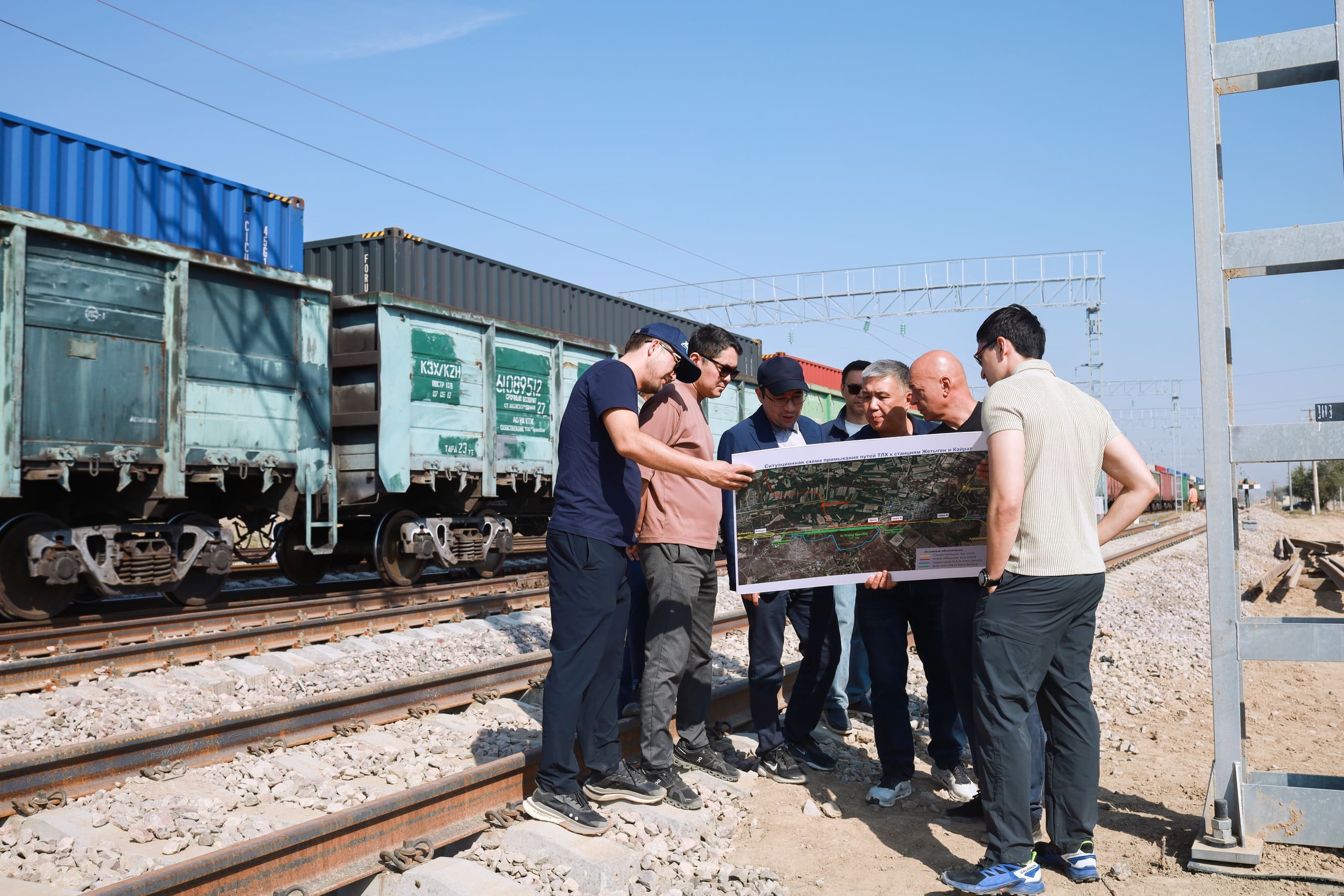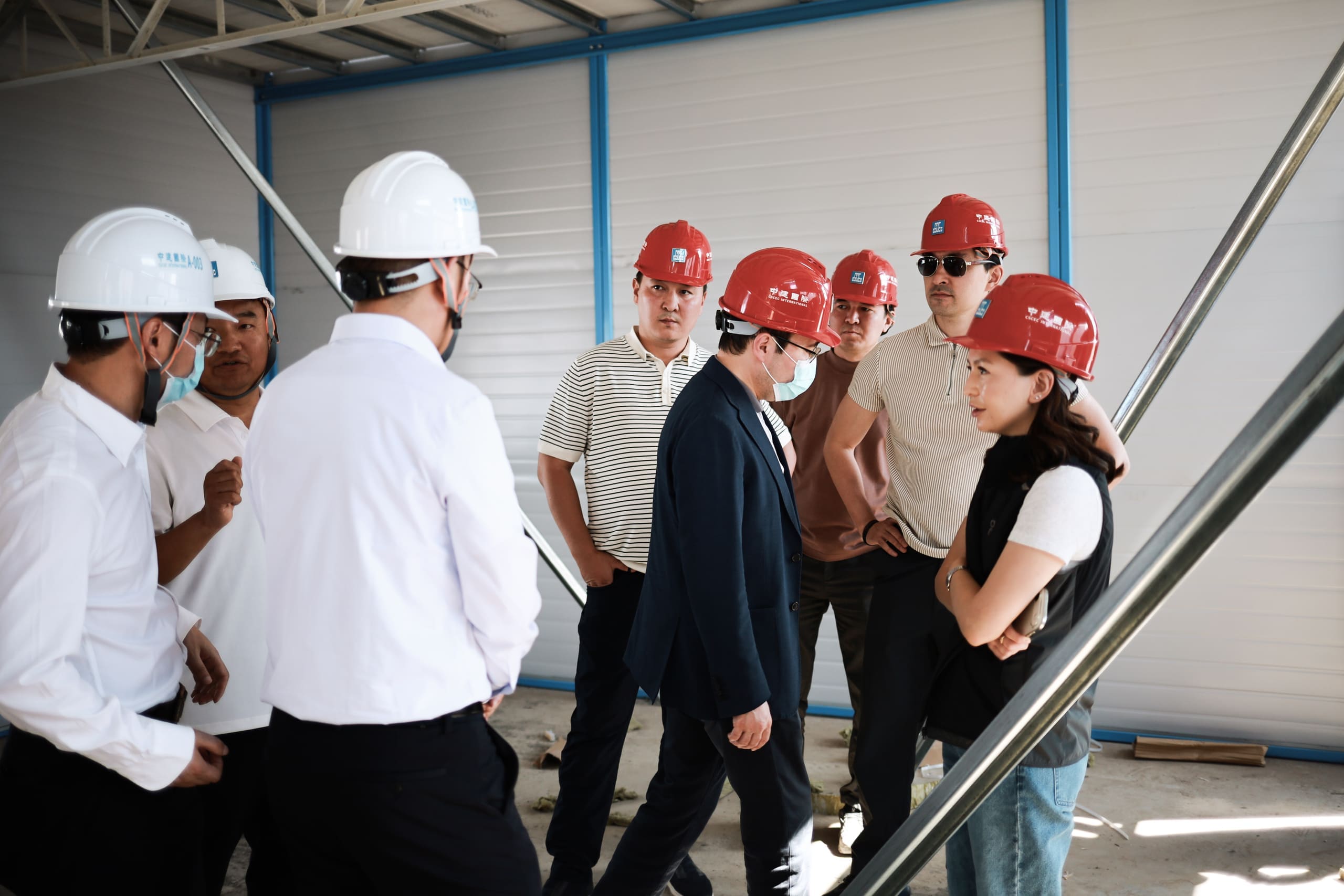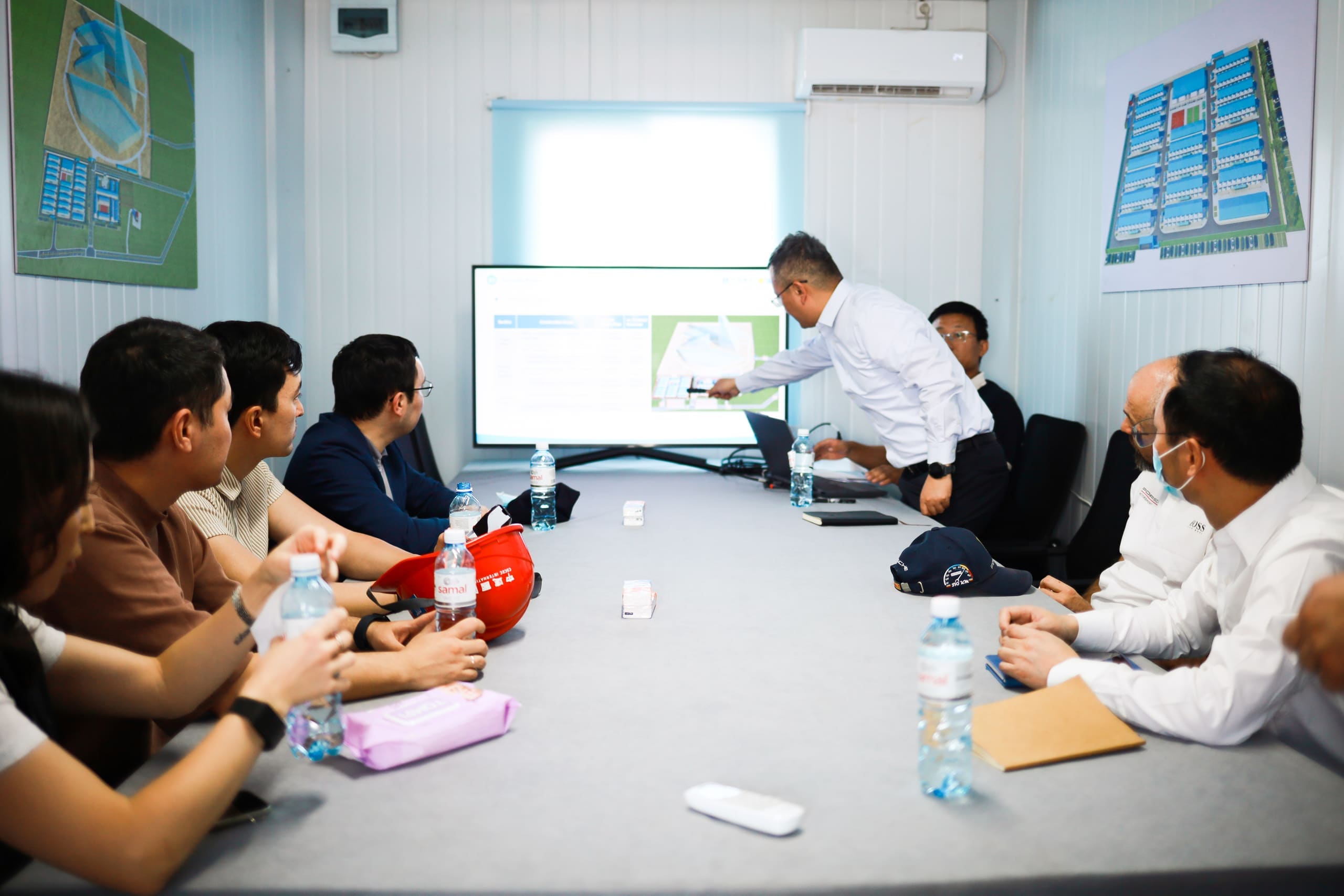
As part of the implementation of the Head of State's instructions on developing Alatau City as a city of accelerated development, comprehensive work is under way across key areas: basic infrastructure, investment attraction, urban planning, digitalisation and the creation of a special regulatory environment.
In 2026, 26 infrastructure projects worth KZT 35.3 billion are being delivered in power supply, gas supply, water supply, wastewater and road infrastructure. Funding has been allocated and works are proceeding on schedule. Most projects will be completed by the end of 2026, with some continuing into 2027. In the power sector, the Kokpa-1 substation is being reconstructed. The transport component provides for medium repairs of 61.2 km of roads and the construction of 15 km of new routes.
At the site of the flagship Iconic Complex, temporary connections to water, power and sewerage systems have been completed. Earthworks are proceeding at a high pace, in strict compliance with safety requirements and international construction standards. Piling works are scheduled for the end of 2026, confirming the intensive progress of the preparatory stage. By the end of the year, 11,000 cubic metres of concrete are to be poured and 750 tonnes of steel, metal structures and reinforcement supplied.
In parallel with construction, large-scale master-planning of Alatau City is under way, based on advanced international standards and involving leading global companies. A dedicated expert team on land relations has been formed, tasked with building a systematic and orderly structure for the future city, drawing on the best practices of Kazakhstan and other countries. Work is under way on budgeting infrastructure development to modern design standards, with an emphasis on comfortable living, industrial development and compliance with environmental requirements. Comprehensive engineering surveys are being carried out across all key areas — water resources, soil and geological conditions, environmental conditions and other parameters — forming a reliable analytical basis for long-term infrastructure decisions.
The infrastructure plan selectively includes the renovation of existing settlements within the city of Alatau. Improving mobile coverage and high-speed internet across the territory has been identified as a separate priority, as an integral element of a modern urban environment.
The K-Smart Town project is being implemented together with the Korean state corporation KIND on a site of about 330 hectares. A territorial development concept and an engineering infrastructure plan have been prepared. The master plan and feasibility study are scheduled for completion in December 2026. The project provides for 3.7 million square metres of residential space, 500,000 square metres of social infrastructure, 1 million square metres of commercial facilities and 100,000 square metres of R&D facilities. Investment is estimated at up to USD 4 billion, with a projected population of 72,000.
The investment portfolio of Alatau City comprises 67 projects worth around USD 6.9 billion in total, with the potential to create some 55,000 jobs. Priority sectors are green energy, pharmaceuticals, logistics, data centres and digital infrastructure, high-tech agricultural production, and the KAIST university campus. A number of major facilities are already in active delivery: the PepsiCo, Mars Petcare, Griffin Logopark, Danaflex, G-Trans Service and Sunny Paper plants.
In the first two years of active construction, a significant number of permanent and temporary jobs is expected to be created. Leading Kazakhstani and international construction companies are being engaged in the projects. Their involvement will support the upskilling of local specialists, the transfer of technologies and the strengthening of the business environment in the city of Alatau.
To attract investors and advanced technologies, Alatau City is introducing a fundamentally new approach to construction regulation that brings together the best global practices — from Singapore's urban planning model to the United Kingdom's flexible regulatory legislation. The model is intended to create transparent, predictable and competitive conditions for international partners. During the Head of State's state visit to the Republic of Korea, agreements were reached on developing cooperation in smart city, energy, education, R&D, industry, healthcare, urban mobility and digital technologies.
Alongside the current works, an extensive list of projects is being prepared for design and delivery in 2027. These initiatives are intended to change the face of the city significantly for the better — including through a large-scale improvement of social infrastructure: education, healthcare, culture and urban amenities.
A separate strategic direction for Alatau City is the creation of a modern city management model based on digital technologies and artificial intelligence. Work is under way to adapt AI tools for urban planning, monitoring of infrastructure facilities, traffic management and the delivery of public services. A key element of the digital transformation is the creation of a single city data repository, which will bring together information from the city's engineering, transport, investment and social systems and become the basis for management decisions driven by big-data analytics. In parallel, work is under way on reference standards for the digital economy, setting uniform requirements for data architecture, cybersecurity and the interoperability of digital services.
Alatau City is being created as a new centre of business activity, innovation and technological development in Kazakhstan. The regulatory, infrastructure, investment and technological foundation of the city of accelerated development is being built step by step. Delivering the key projects will make it possible to create new production facilities and jobs, attract investment and advanced technologies, and shape a modern and comfortable urban environment.