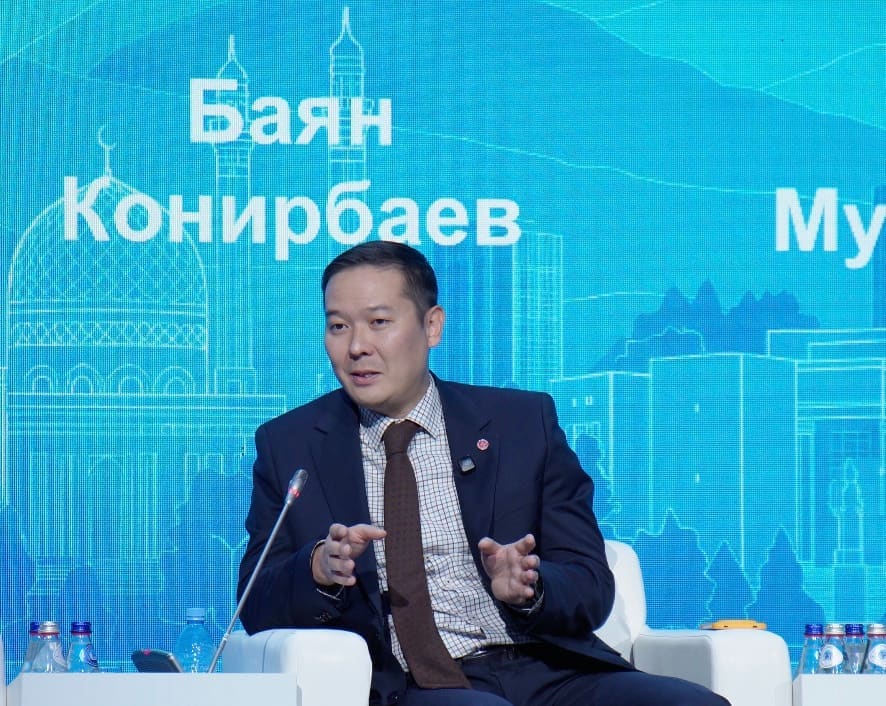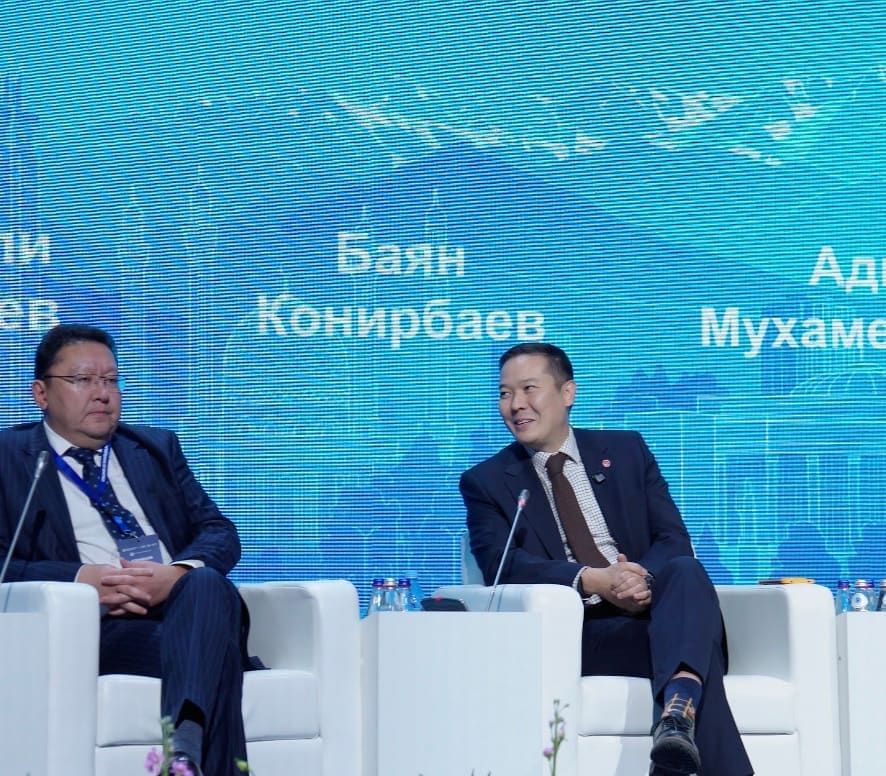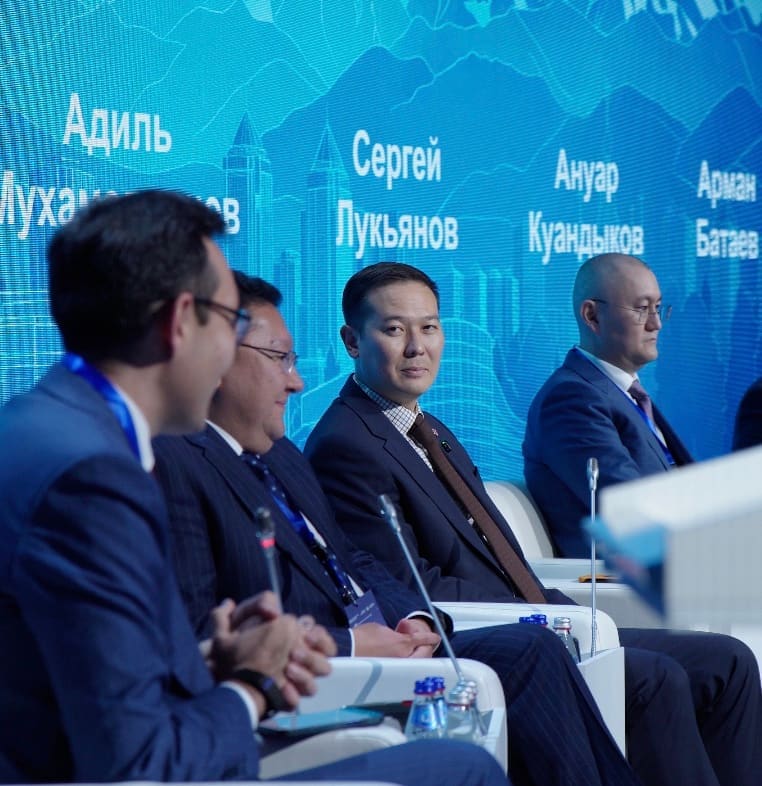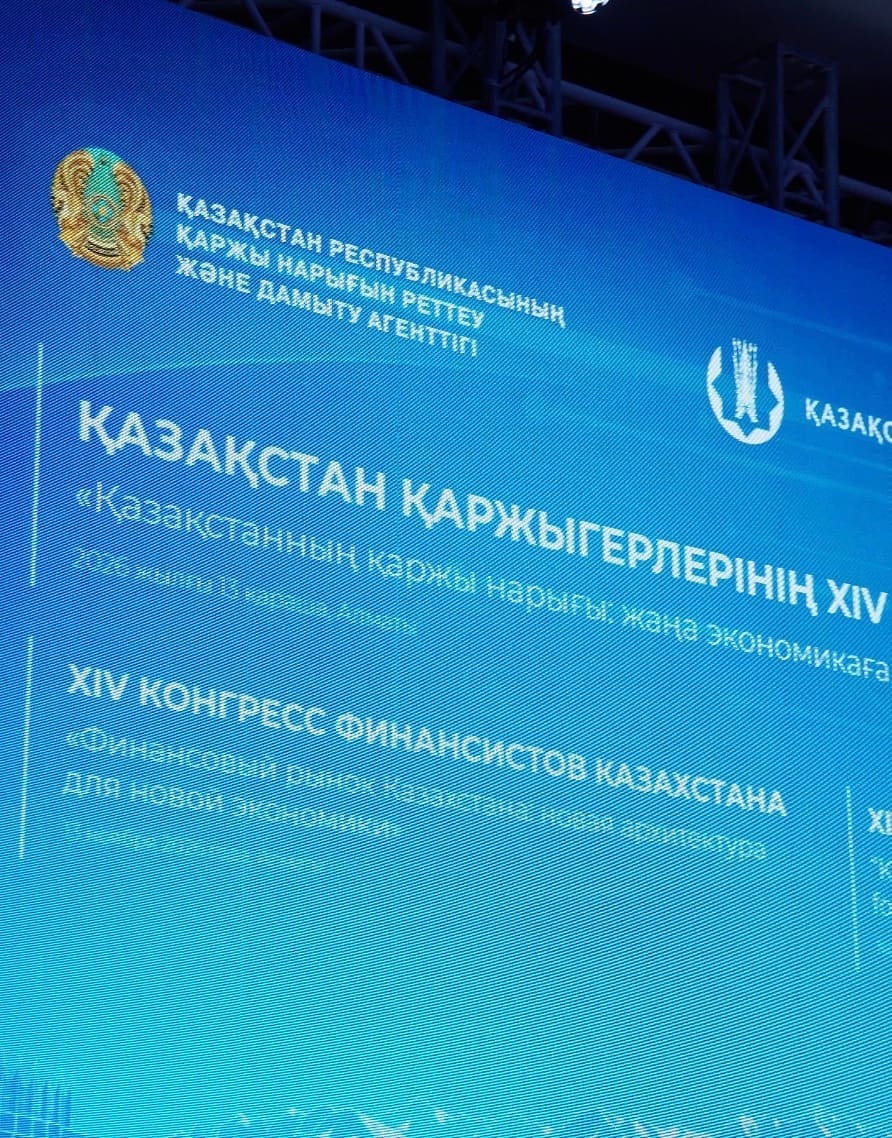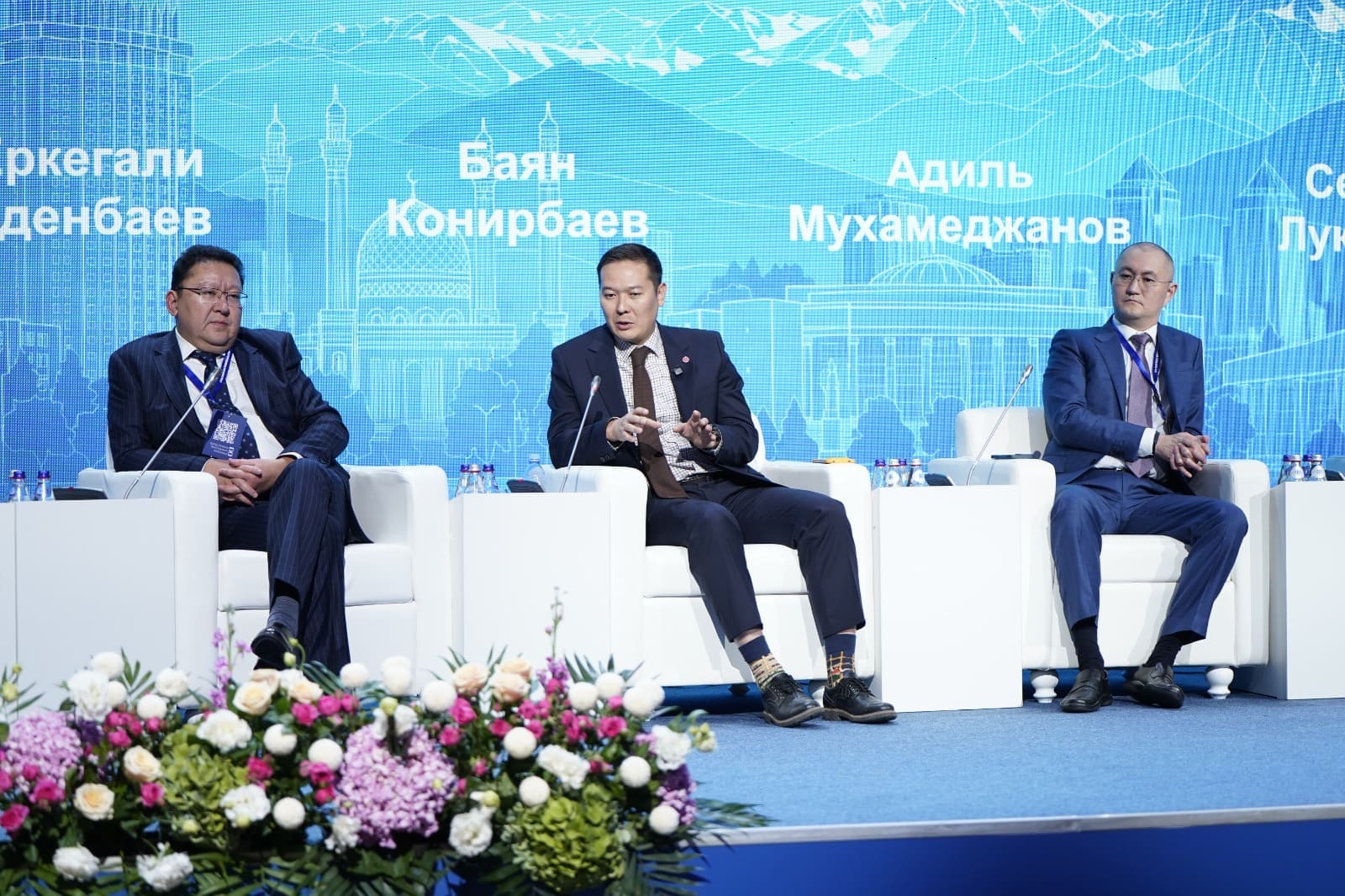
Bayan Konirbayev, Chief Digital and AI Officer at Alatau City Authority, participated in a panel discussion titled “Crypto Industry and the Integration of Digital Assets into the Traditional Financial System” at the 14th Congress of Kazakhstan's Financiers. During his remarks, he presented the Tokenization by Default concept, which envisages integrating tokenization technologies into Alatau City's economic and financial infrastructure.
The concept was developed as part of efforts to implement the President of Kazakhstan's directive to unlock the potential of asset tokenization. Unlike the conventional approach of converting existing assets into digital form, Alatau City plans to integrate tokenization mechanisms from the outset, as the city's infrastructure and economic ecosystem take shape.
“For Alatau City, tokenization is not a standalone project but a fundamental principle underpinning the city's economy. We aim to transform tokenization from a complex, one-off transaction into a standard urban service that is digital, legally protected, fast and easy to understand,” said Bayan Konirbayev.
Tokenization involves using blockchain technology to digitally represent rights to real-world assets, including real estate, financial instruments and services. This approach enables assets to be divided into fractional interests, lowers barriers to entry for investors, reduces the number of intermediaries and makes capital raising more efficient.
According to the Alatau City Authority representative, the Tokenization by Default concept envisages the development of a digital economic ecosystem by 2035, built around five key areas: asset and service tokenization, the development of blockchain-based payments, the introduction of Web3-based taxation mechanisms, the establishment of a crypto cluster and the development of emerging technology industries.
In September, Alatau City Authority, in cooperation with the National Bank of Kazakhstan, prepared and published a concept paper titled Tokenization by Default: Step 1. The document outlines key approaches to real-world asset tokenization, the development of the digital economy and the establishment of a corresponding regulatory framework through the end of 2027.
Investor protection was another key focus of the presentation. In particular, Bayan Konirbayev outlined plans to establish the Token Operation and Support Center, Alatau City Authority's first subsidiary, which is expected to commence operations later this year. The Center will be responsible for safeguarding the interests of token holders, ensuring the segregation of underlying assets and providing operational support for transactions involving tokenized instruments.
Alatau City Authority is also developing a portfolio of pilot projects covering the tokenization of land assets, bonds, private credit, data center computing capacity and construction financing. In cooperation with the Kazakhstan Stock Exchange (KASE), the Authority is exploring the establishment of Alatau Token Exchange, a platform designed to support the issuance, listing and custody of tokenized assets.
Other areas under consideration include the development of an Alatau City stablecoin, cross-border payment solutions and technology-enabled insurance products. International partners are being engaged to support the implementation of these initiatives.
“Our goal is to make Alatau the first jurisdiction where the entire tokenization lifecycle operates as an integrated system. We are open to collaboration with issuers, technology partners and investors,” said Bayan Konirbayev.
The implementation of the Tokenization by Default concept aims to establish modern digital financial infrastructure in Alatau City, broaden access to investment instruments and create conditions for the development of new segments of the digital economy.