Infrastructure, investment and the special regime: the Government reviews the progress of Alatau City’s development
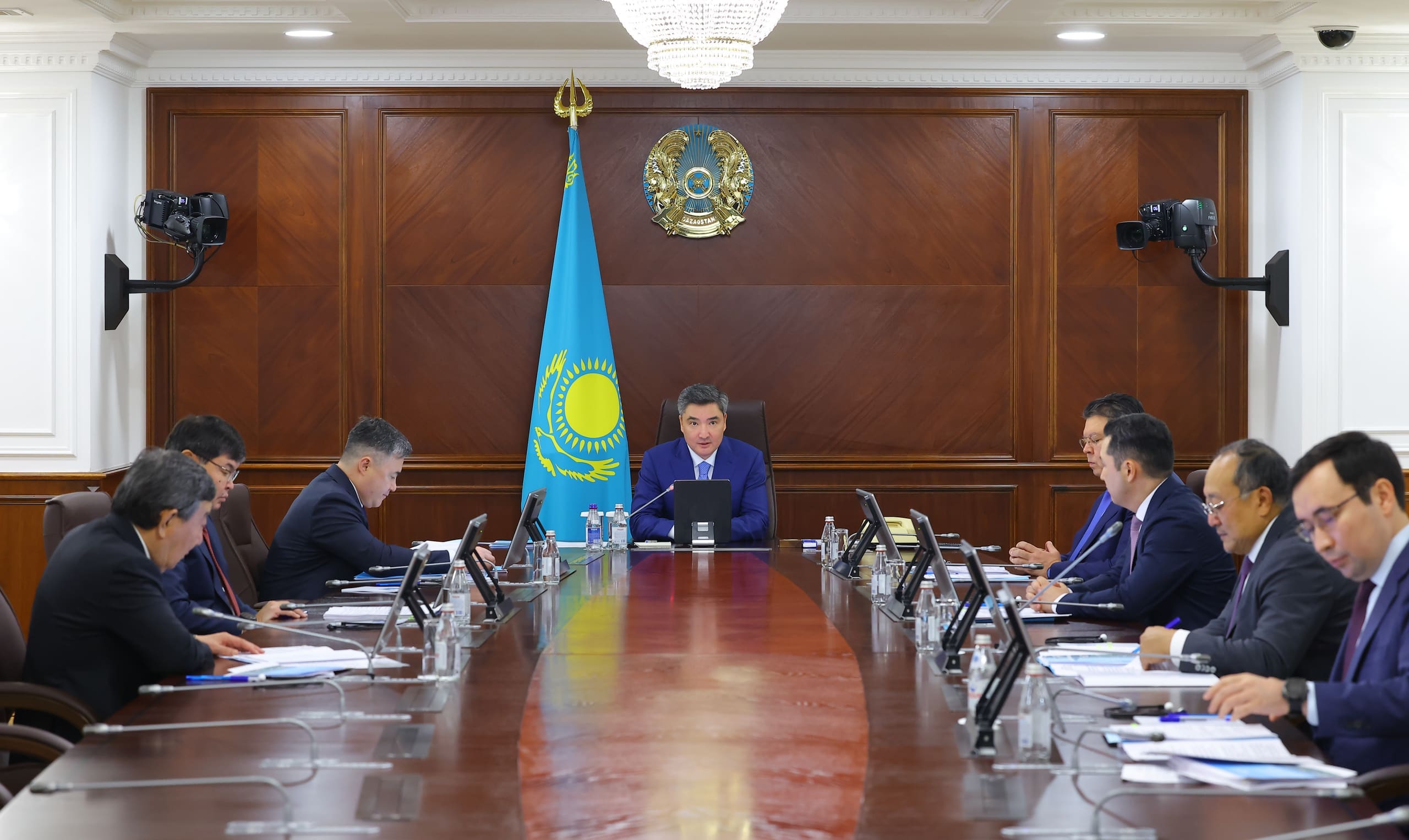
At a regular session of the Alatau City Council chaired by Prime Minister of the Republic of Kazakhstan Olzhas Bektenov, participants reviewed the implementation of the Head of State’s instructions on the development of the new city, the rollout of the special legal regime, the modernization of infrastructure and the attraction of investment.
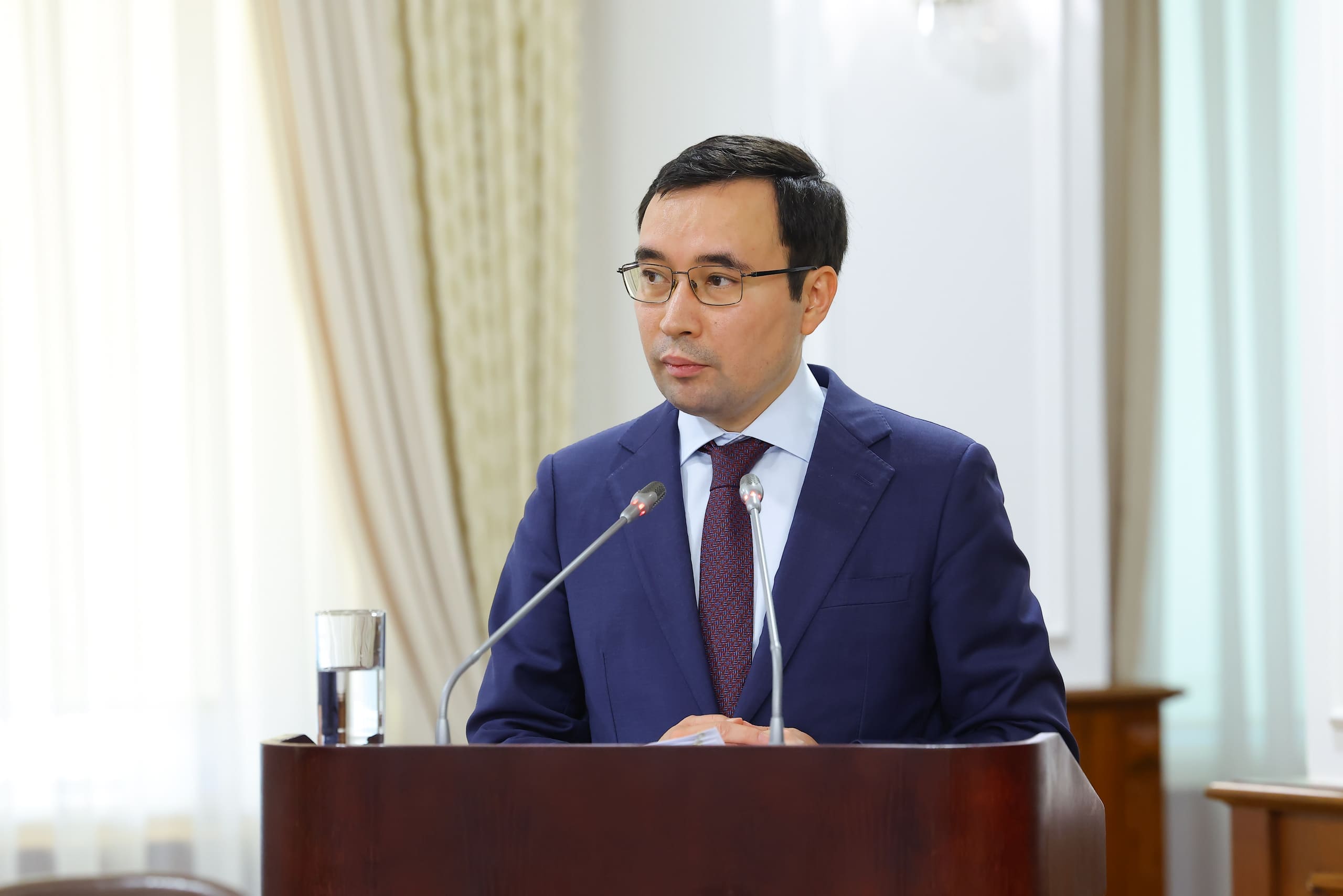
Chief Executive Officer of the Alatau City Authority Alisher Abdykadyrov reported on the results of the work carried out. The Alatau City investment pipeline has now grown to 67 projects with a combined investment volume of around USD 6.9 billion and the potential to create some 55,000 jobs. The PepsiCo and Sunny Paper facilities are in the active phase of implementation. Work has begun on the major manufacturing and logistics projects of Mars Petcare KZ, Griffin Logopark, DanaFlex and G-Trans Service. Preparations are under way for the construction of the Iconic Complex, one of the new city’s flagship projects.
The KIND K-Smart Town project is moving forward. A Korean consortium led by the Korea Overseas Infrastructure & Urban Development Corporation (KIND) has developed a concept for the integrated development of a 330-hectare site with a total floor area of 5.3 million square meters, and an engineering infrastructure plan has been prepared. The master plan and the feasibility study are due to be completed by the end of 2026.
As part of the continued effort to attract investment, a number of new large-scale projects are being elaborated. They include Full Vision Capital’s projects in sustainable aviation fuel production and green energy, the opening of a branch of the KAIST research institute, CIMC’s projects in logistics, data centers and digital infrastructure, and Sinomach’s high-technology agro-industrial complex. Separate agreements cover the creation of a Kazakh-Korean joint investment fund, the construction of the Hyundai Green Food production and logistics complex, bringing Lotte Hotels & Resorts into the Iconic Tower project, energy development with Doosan Enerbility, urban air mobility with Korea Airports Corporation, and smart mobility and hydrogen technologies together with Hyundai Motor Company.
Particular attention at the Council session was given to the development of the city’s engineering and transport infrastructure. Following the instruction of the Head of State, the Government adopted a resolution allocating KZT 35.3 billion in 2026 for the implementation of the corresponding roadmap. A total of 26 infrastructure projects are envisaged. In the power supply sector, construction and installation work has begun on the reconstruction of Kokpa-1. In water supply and sanitation, one of the six projects is at the stage of completing construction and installation work, and contractors have been selected for the remaining ones. In road infrastructure, medium repairs of 61.2 km and the construction of 15 km of new roads are planned.
Overall, engineering networks and transport, social and digital infrastructure will be developed at an accelerated pace. To ensure sustainable financing for this work, the session considered approaches to the development of Alatau City’s infrastructure. Going forward, this envisages a combination of budget financing, public-private partnership mechanisms, and private and quasi-public investment.
In addition, the Alatau City Authority is drafting the first package of regulatory legal acts required for the special legal regime to become fully operational. The package includes acts on the budget regime and block financing, city legislation, the activities of legal entities, air mobility, digital assets, currency, tax and customs regulation, public-private partnership, entrepreneurship, business licensing, land relations and other areas. As of 21 August this year, the act on the budget regime and block financing has been approved. The acts on city legislation, legal entities, air mobility and the regulation of digital assets are 80% complete.
Work continues on Alatau City’s key strategic documents with the involvement of the international firms ARUP Group and BCG. The Methodology for developing, adjusting and evaluating the effectiveness of the implementation of Alatau City’s strategic documents has been approved. The Long-Term Development Plan is due to be approved in September, and the Master Plan and the Development Strategy of Alatau City in December of this year.
As part of the follow-up to the decisions of the previous Council session, a Temporary Commission on Land Relations and a working group under it have been formed with the participation of the Alatau City Authority, the akimat, territorial state bodies and members of the public. The provision of previously suspended public services in the field of land relations has resumed.
Work on the development of Alatau Crypto City is proceeding actively. Together with the National Bank of the Republic of Kazakhstan, a “Tokenization by Default” concept has been prepared. Forty-three international and Kazakhstani companies have confirmed their interest in taking part in tokenization projects. A portfolio of five projects has been formed, covering the tokenization of land assets, commodity assets and warehouse facilities, cross-border and domestic payments in stablecoins, and the development of the PropTech segment. By the end of 2026, tokenization projects with a combined volume of up to USD 10 million are due to be launched.
Summing up the session, the Prime Minister emphasized the need to ensure the further practical implementation of projects and adherence to the established deadlines across the key areas of Alatau City’s development.